Underwater photography in Papua New Guinea scuba diving is truly a rewarding experience. Ask local and foreign divers, and they will say that being able to savor the moment of being in the beauty of pristine reefs, live fish schools and rare species in one click is tripling the fun of scuba diving. However, taking beautiful underwater photos requires a lot of work. You must know how to dive, have the proper gear and know the best spots. On top of that, you must make sure that the way you take photos is also on point! Fortunately, you don’t have to worry much about the latter as we already sorted the six points that you must remember to ensure breathtaking underwater photos. These are the following:
Camera
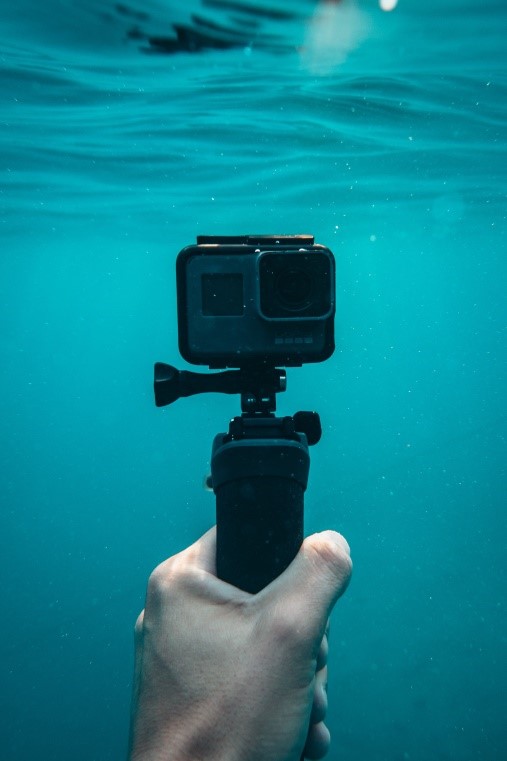
A waterproof camera is essential in underwater photography as this tool is less hassle to handle. However, your existing camera can also be good enough. Just get a waterproof casing for your camera to prevent water from seeping in. We also advise you to learn your camera functions and settings first. For underwater photography, it is advisable to take shots using the highest resolution, lowest ISO and macro lens. Doing so will result in more accurate color rendition, wide-angle shots and “clean” noise-free images.
Light
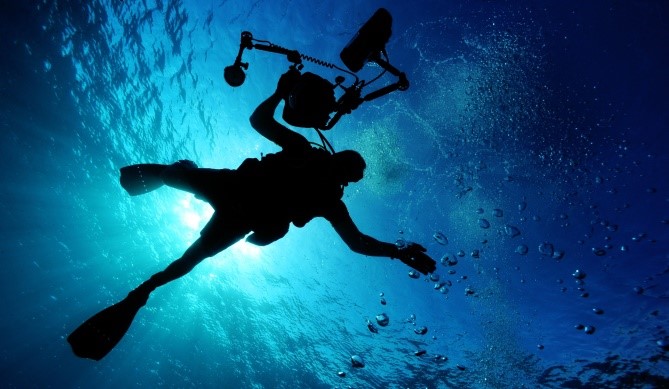
The sun is your best friend underwater as it provides natural lighting for your photos. For best results, shoot in 20 feet of water or less with the sun behind you as this will leave you vibrant and true colors to work with. But if you’re going to 30 feet, it is beneficial to use a strobe. This will help introduce more light to the scene and reduce the green and blue wavelengths that dominate most underwater images. Moreover, a strobe also helps freeze motion and triggers the shutter speed of your camera to obtain more focused photos of highly active marine life. Make sure to bring one before scuba diving!
Shutter
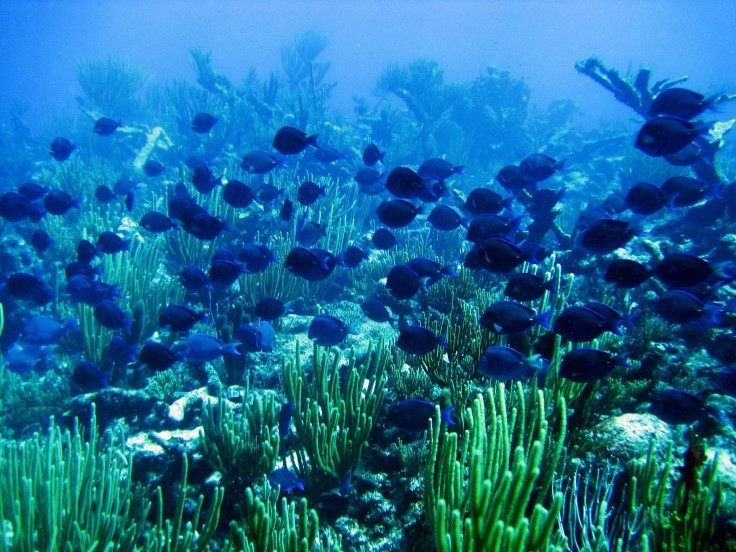
Shutter speeds are a tricky issue in underwater photography as the waters in Papua New Guinea continually flow. To help you navigate and capture sharp photos, here are the ideal speed settings for your shutter: 1/30th for still objects, 1/60th for slow-moving objects (such as fish schools), and 1/125th for faster moving organisms (such as skittish fish). Moreover, you can increase your chances of taking beautiful shots by using burst shot (continuous shooting mode) to catch more action underwater and leave you several choices.
Distance
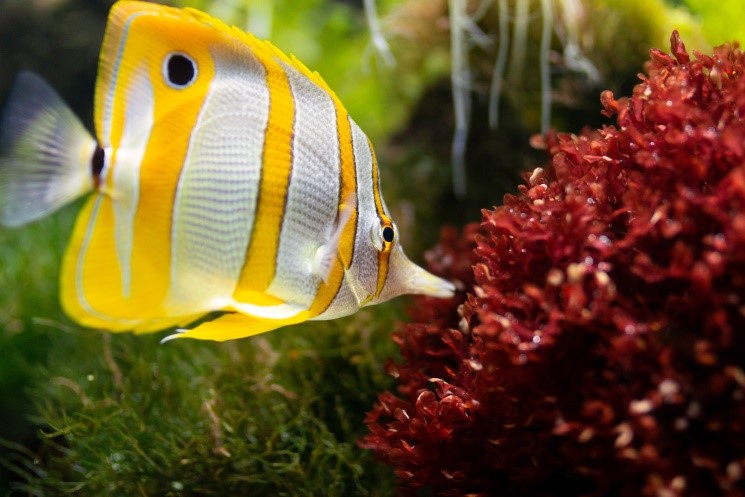
Your distance to the subject highly influences the result of your photo. Be it fish, corals or wrecks. Seize the chance to get as close as possible to let your strobe and shutter bring out the alluring details of the subject. Be patient too and let the scene unfold its artistic potential right before your eyes.
Post-processing
Upping the quality of your photos is easier through post-process. You can use apps to add a little contrast, brightness and saturation. You can also remove shadows, clear noises and crop unwanted parts. Color correction filters are available too! Using these will get you better-looking photos without seeming overdone.
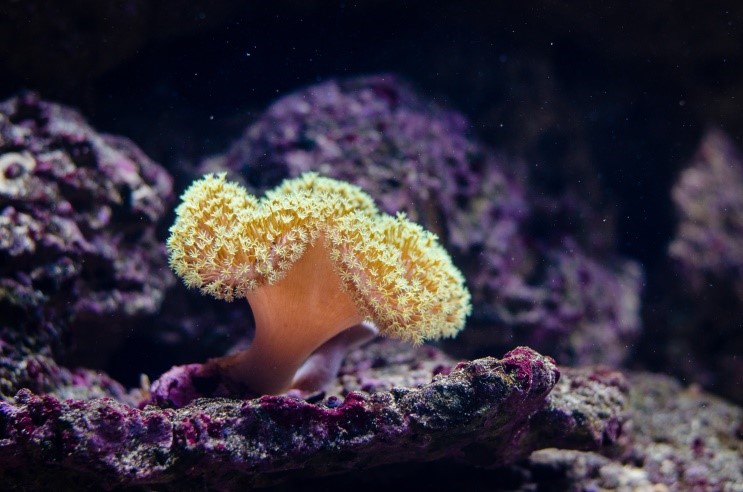
Papua New Guinea already promises scuba diving adventures and numerous underwater photo opportunities for you. Remember the six points stated above so you can surely make the most out of it!
 Style Your Life