Stress is a necessary part of life; it’s how our body responds to potential threats. In as much as it’s a necessary body operation, too much stress might make us think we need an eye checkup because of how it can affect our vision. What can stress actually do to your eyes?

Light Sensitivity
One of the things that take place when we are stressed is we get an adrenaline rush; our heart pumps and delivers more blood to organs with essential functions like lungs, heart, brain, and the senses which includes the eyes. This makes our pupils dilate regardless of light condition which in turn makes us more light sensitive.

Eye Twitching, Wetness, & Dryness
Stress may also affect eye motor functions that may cause them to spasm and twitch. You may also notice that your eyes are drying than usual or are tearing up; this is because the tear ducts aren’t responding correctly and are producing too much or too little lubrication which might prompt you to get an eye checkup.
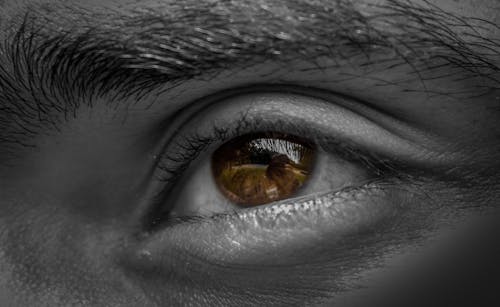
Tunnel Vision & Blurring
John Sarno, MD of NY School of Medicine sees symptoms of stress as the body’s response to keep the person away from the stressor, so in the midst of physical, emotional, or mental stress, it could make the body ache so that the victims focuses on the pain and not the stressor. For eyesight, it could compress your vision to make it more narrow or blur your vision, probably to make you stop using your eyes for a moment but these conditions might also be experienced with other types of stress such as mental or emotional stress.
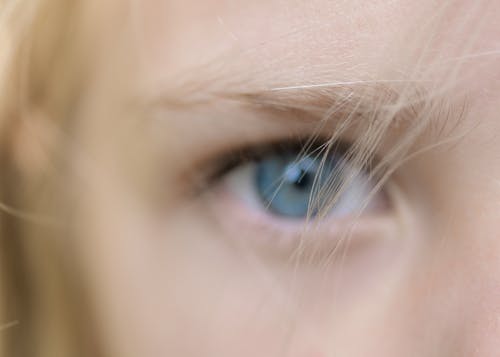
Aggravate Eye Conditions
Aside from having a host of symptoms itself, stress can aggravate or make already present conditions become more severe. In a research from the 2018 EPMA Journal, they found that worsening eye conditions could be attributed to high cortisol levels in stressed out patients. Some of the eye conditions that stress can aggravate include glaucoma, optic neuropathy, and macular degeneration among others.

While all of these could merit an eye checkup, most eyesight symptoms related to stress also go away then the stress does. Of course, stressors vary from person to person. Resolving stress from its root, whether it be from just over exposure to computer screen to having to deal with depression or anxiety, is key.
 Style Your Life