Have you ever think of the worthiness of having VoIP for your business? Try reading first this infographic and tell us on the comment section what you think, or you are already looking for VoIP quotes? Let us know.

Have you ever think of the worthiness of having VoIP for your business? Try reading first this infographic and tell us on the comment section what you think, or you are already looking for VoIP quotes? Let us know.
As we are nearing the end of the 2nd quarter of 2020, let us not let that stop us from thinking about our desired house designs in spite of the lockdown situation in the Philippines. To usher in a 2021 that is full of growth, harmony, and self-sufficiency, let’s focus on what plants you can incorporate into your overall home aesthetic.

Start with planning your perimeter walls to accommodate the growth of a tree line of bamboos. You can shape the perimeter to curve therefore giving depth to the rows of bamboos that will grow alongside it, and decide how high you want your walls so that you can let some of the bamboo peer through. Your can go with elegantly slender golden bamboo or go thicker for a more robust feel with giant bamboo.

One of the good things that this lockdown has done is that it decreased worldwide carbon emissions. While we don’t want the lockdown to loom over our heads forever, let’s strive to keep the better air that we’re enjoying as of the moment. While a lot of air cleaning plants like pothos, rubber trees, and snakeplants can easily thrive indoor, making a house design in the Philippines with the foresight of knowing that you want to keep indoor orchard would involve laying out windows that can accommodate plants but at the same time provide a view.
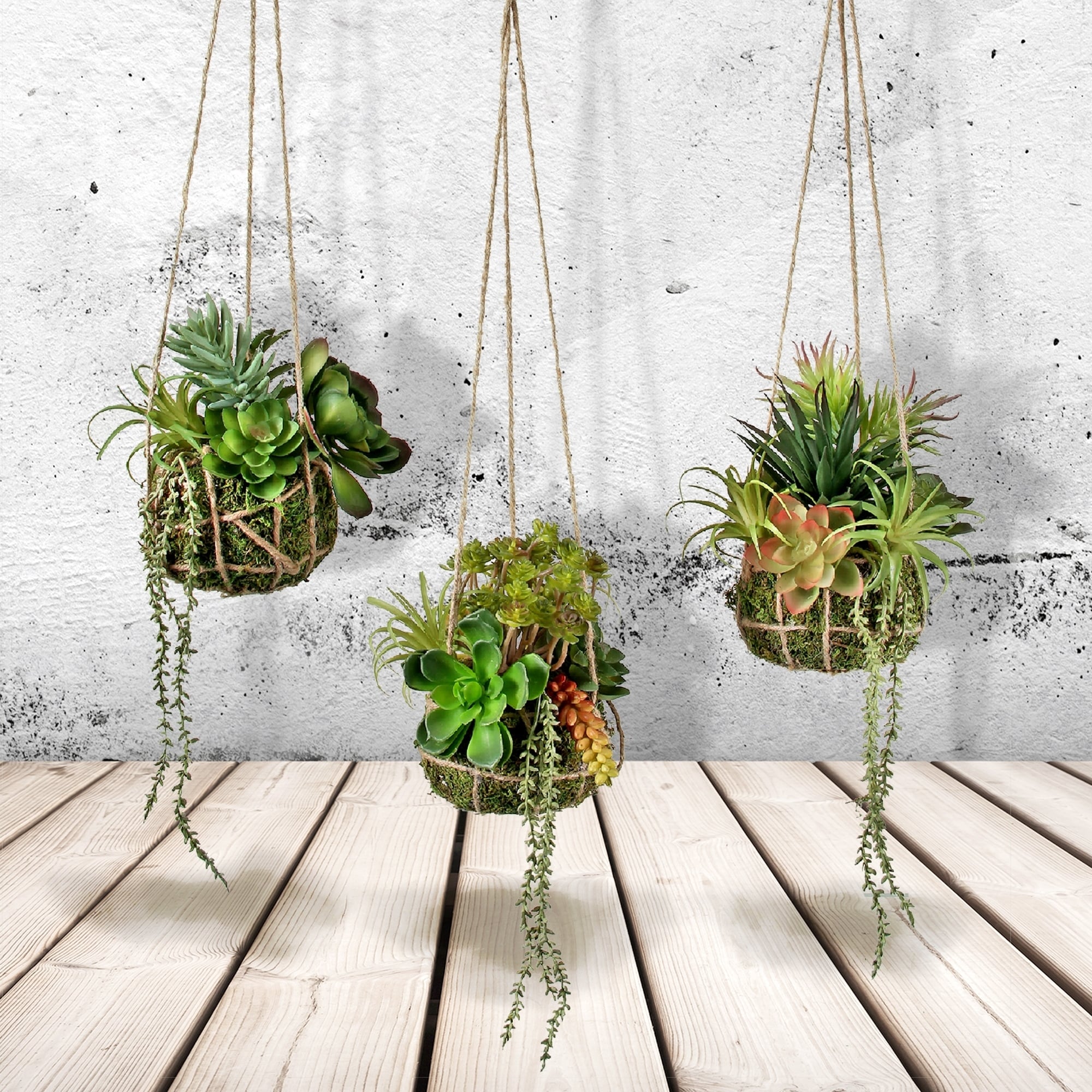
Succulents have grown in popularity over the years so much that aside from being OK to have by your office side, they can also be thoughtful live souvenirs at wedding, baptisms, and a lot of other occasions. Lesser known about succulents however is that they have hanging variants that, unlike their potted counterparts, can immensely thrive in the right conditions and beautify your home in many ways. Among the really nice ones to have are the string of hearts, string of nickels, elephant plant (sometimes also called miniature jade), and string of pearl.

A couple of other things that the lockdown has taught us Filipinos are the importance of sustainable living, and the value of cultivating your own food. One big consideration for your house design could be to have a herb and vegetable orchard. You can go for a simple space that can accommodate a couple of plants or go all out and plan a house design that includes a green house where you can grow bot Philippine produce as well as foreign herbs and spices.

The month of June is still associated with sunny days, sandy shores, and salty waters. It’s that time of the year wherein people travel to Papua New Guinea to make the most out of their summers. From picturesque bodies of water to numerous thrilling activities, the country has it all! But what truly attracts tourists from different parts of the world is the chance to muck dive in its beautiful bays.
Muck diving in Papua New Guinea is a dream experience for divers as it features unique marine biodiversity. Due to several active volcanoes, sediments (volcanic sand) are deposited in bays and become home for rare critters. The waters and muck are also abundant in species such as wasp fish, seahorses, stingrays, stargazers, flying gurnards, ghost pipefish, snake eels, garden eels, scorpion fish, crabs, shrimps, frogfish, octopus, cuttlefish, barracuda and whale sharks. Thus, every muck dive session at PNG promises you a beautiful sight of coral reefs, fish schools and macro marine animals.
To ensure that you are ready for that unique underwater experience, arm yourselves with the necessary gears and equipment such as diving mask, wetsuit, fins, gloves, tanks, regulator, gauges, dive computer, snorkel and defogger. Dive resorts in Papua New Guinea commonly provide these muck diving essentials. Moreover, it is also vital to slip on your accessories for a safer muck dive. These are the following
:
Wandering on the ocean bed is very different compared to traveling on land. Sharpen your navigation with a dive compass. Easily find your boat, track your company and go for a distance without the fear of being lost.

Trident Large Glow in The Dark Dive Compass with Retractor Cable
It is dim underwater. Use a flashlight to find the marine life residing in the muck. These dive lights are the key to capturing high definition underwater photos. These can also function as your means of communication with your fellow divers.

Thorfire Scuba Diving Flashlight
Being trapped in algae and dealing with rope tangles are a headache. Keep a diving knife with you to cut your way to a smooth diving session.
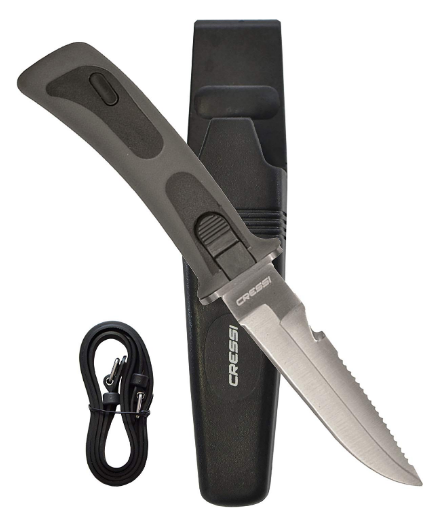
Cressi Diving Knife
Bring a noisemaker to release signals for your boat and your co-divers. In an emergency or upon seeing a rare species, alarm your co-divers with just a single blow. This diving whistle can be heard up to a half-mile away and can be clipped on your wetsuit.
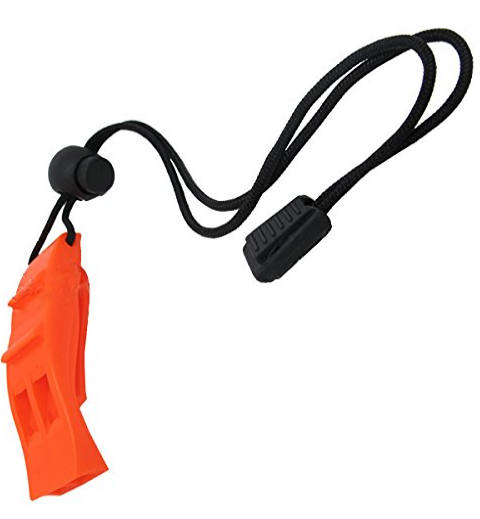
Diving Dolphin Shape Whistle
Divers also prefer tank bangers as noisemakers. It is often used to point out critters in the muck and to capture the attention of other divers. It can also indicate when to take photos or when there are other groups of divers present.
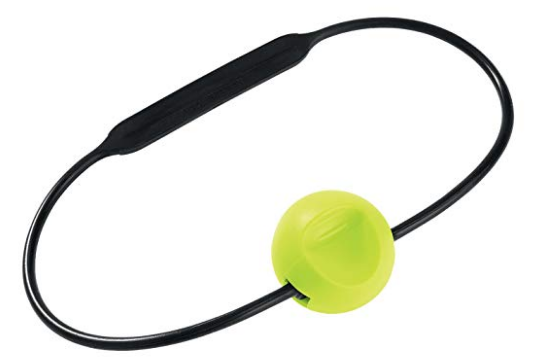
ScubaPro Tank Banger
Interacting with aquatic animals makes divers swim and walk in the field of rubble and slippery rocks. This makes them prone to sprains and wounds. If this happens to your companion, promptly assist your co-diver by carrying him to the boat and applying first aid.
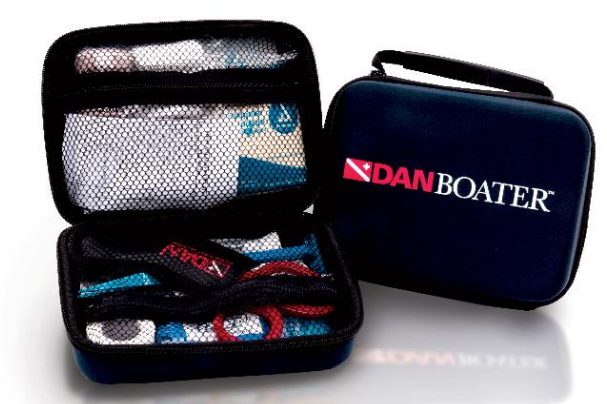
Boater First Aid Kit
Pictures or it didn’t happen! Carry a waterproof camera with you to preserve your muck diving memories in Papua New Guinea. In case you don’t have a waterproof one, cover your gadget with a waterproof case and you’re good to go.

Olympus TG-5 Waterproof Camera
Muck sticks stabilize a diver who lacks good buoyancy-control skills and function as a crutch when the current is strong. You can also use a muck stick to help you get a perfect shot instead of stepping on the silts and disturbing the animals.
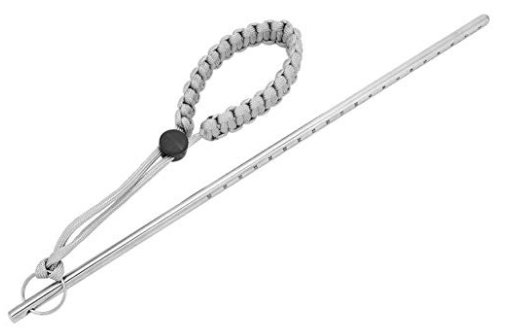
Diving Stick
The next time you muck dive in Papua New Guinea, don’t forget these accessories to easily communicate with your co-divers, take underwater photos and make the whole trip safer. Enjoy a trouble-free diving session knowing that you are well-prepared!
Underwater photography in Papua New Guinea scuba diving is truly a rewarding experience. Ask local and foreign divers, and they will say that being able to savor the moment of being in the beauty of pristine reefs, live fish schools and rare species in one click is tripling the fun of scuba diving. However, taking beautiful underwater photos requires a lot of work. You must know how to dive, have the proper gear and know the best spots. On top of that, you must make sure that the way you take photos is also on point! Fortunately, you don’t have to worry much about the latter as we already sorted the six points that you must remember to ensure breathtaking underwater photos. These are the following:
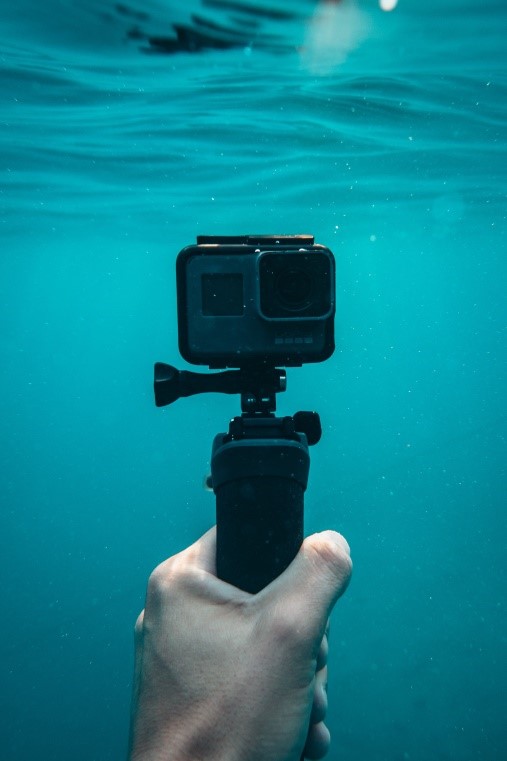
A waterproof camera is essential in underwater photography as this tool is less hassle to handle. However, your existing camera can also be good enough. Just get a waterproof casing for your camera to prevent water from seeping in. We also advise you to learn your camera functions and settings first. For underwater photography, it is advisable to take shots using the highest resolution, lowest ISO and macro lens. Doing so will result in more accurate color rendition, wide-angle shots and “clean” noise-free images.
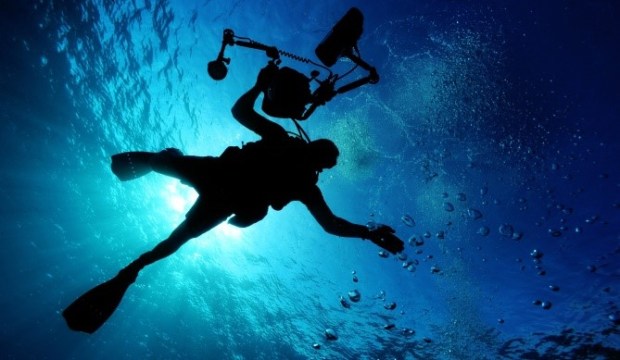
The sun is your best friend underwater as it provides natural lighting for your photos. For best results, shoot in 20 feet of water or less with the sun behind you as this will leave you vibrant and true colors to work with. But if you’re going to 30 feet, it is beneficial to use a strobe. This will help introduce more light to the scene and reduce the green and blue wavelengths that dominate most underwater images. Moreover, a strobe also helps freeze motion and triggers the shutter speed of your camera to obtain more focused photos of highly active marine life. Make sure to bring one before scuba diving!
Shutter speeds are a tricky issue in underwater photography as the waters in Papua New Guinea continually flow. To help you navigate and capture sharp photos, here are the ideal speed settings for your shutter: 1/30th for still objects, 1/60th for slow-moving objects (such as fish schools), and 1/125th for faster moving organisms (such as skittish fish). Moreover, you can increase your chances of taking beautiful shots by using burst shot (continuous shooting mode) to catch more action underwater and leave you several choices.
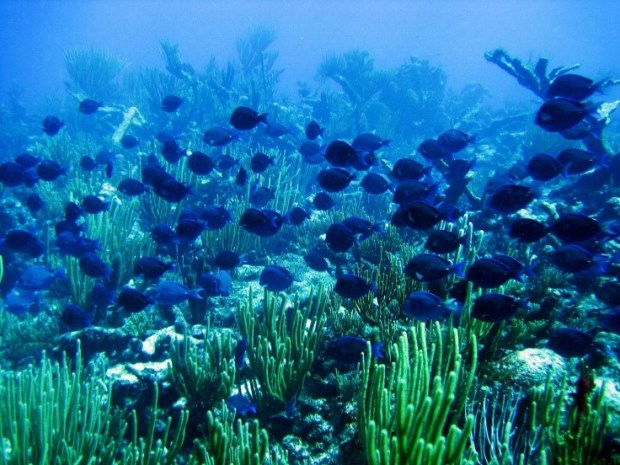
Your distance to the subject highly influences the result of your photo. Be it fish, corals or wrecks. Seize the chance to get as close as possible to let your strobe and shutter bring out the alluring details of the subject. Be patient too and let the scene unfold its artistic potential right before your eyes.

Upping the quality of your photos is easier through post-process. You can use apps to add a little contrast, brightness and saturation. You can also remove shadows, clear noises and crop unwanted parts. Color correction filters are available too! Using these will get you better-looking photos without seeming overdone.
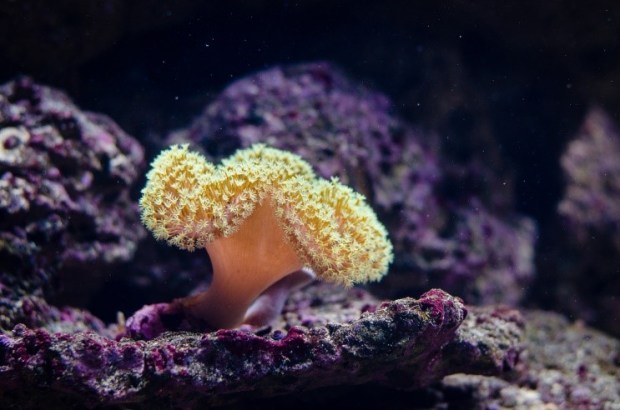
Papua New Guinea already promises scuba diving adventures and numerous underwater photo opportunities for you. Remember the six points stated above so you can surely make the most out of it!
Thanks for joining me!
Good company in a journey makes the way seem shorter. — Izaak Walton

 Style Your Life